Tile fails in three places: the substrate under it, the waterproofing behind it, and the layout decisions made in the first hour. The tile itself almost never fails. That is why we treat those three as the job and the setting as the easy part.
Substrate first
Cement backer board or a foam board system in wet areas, never drywall behind a shower. A flat plane before large-format tile, because a big tile bridges hollows and lippage shows on every edge. On a floor, a levelled and sound subfloor, with crack isolation where a slab has moved or is likely to. On these, tile lasts decades; without them, it telegraphs every fault underneath within a year.
Waterproofing, in the places it matters
In a shower, the membrane and how it laps at the corners, the curb and the drain flange is what keeps water out of the framing. Tile is not waterproof and grout is not a seal. We build the pan to slope, waterproof it, and flood-test where the assembly calls for it before a single tile goes down. Full detail on the walk-in showers page.
Layout: the decisions made before the first tile
- Where the pattern starts, so the cuts are even at both ends rather than a sliver on one side
- Where it stops — under the uppers, at a set line, at the ceiling
- How outlets, valves, niches and corners fall inside the pattern
- Which grout colour, since it changes a tile more than most people expect
- Where the movement joints go, and where a caulked joint replaces grout at every change of plane
What we tile
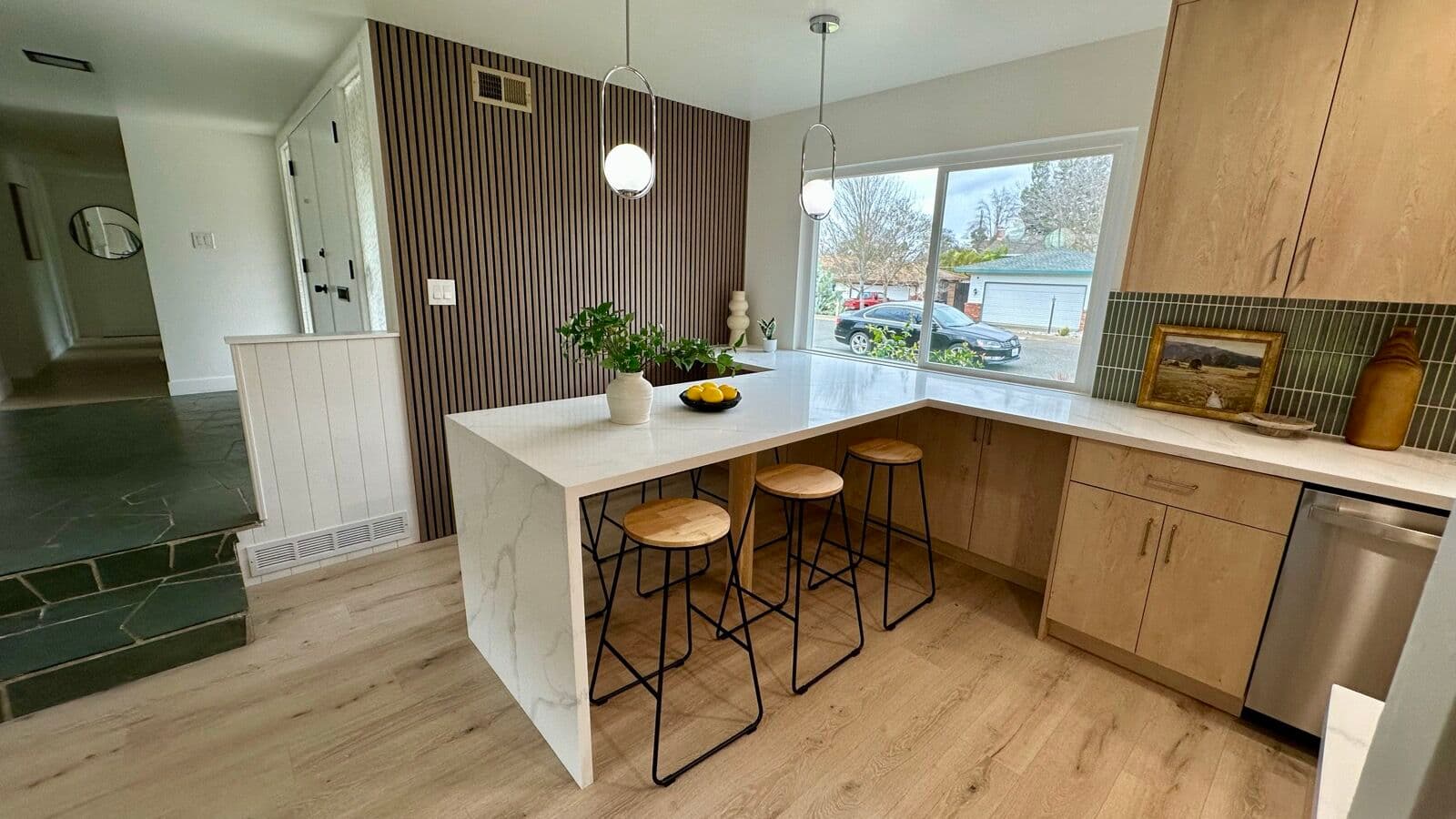
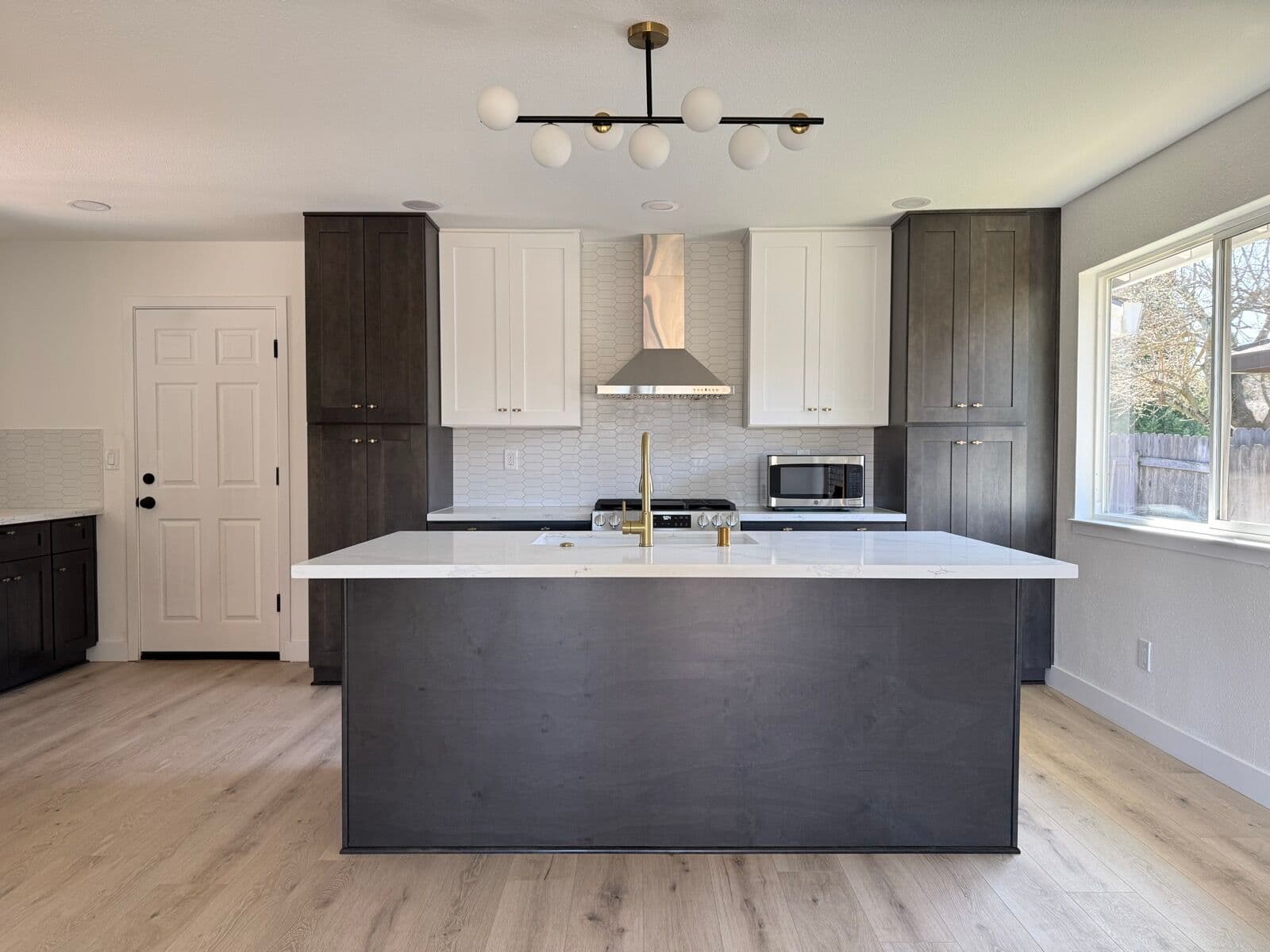
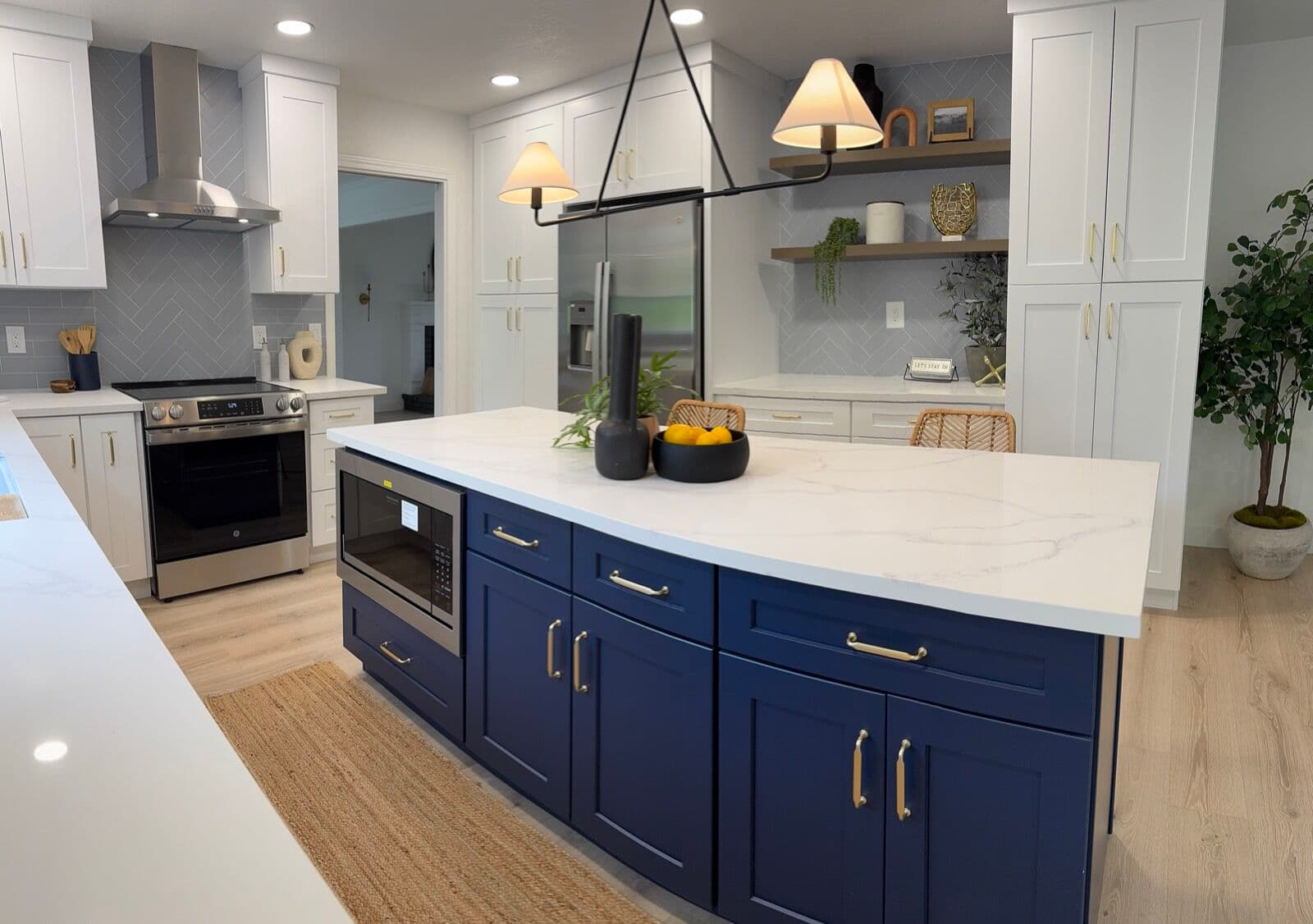
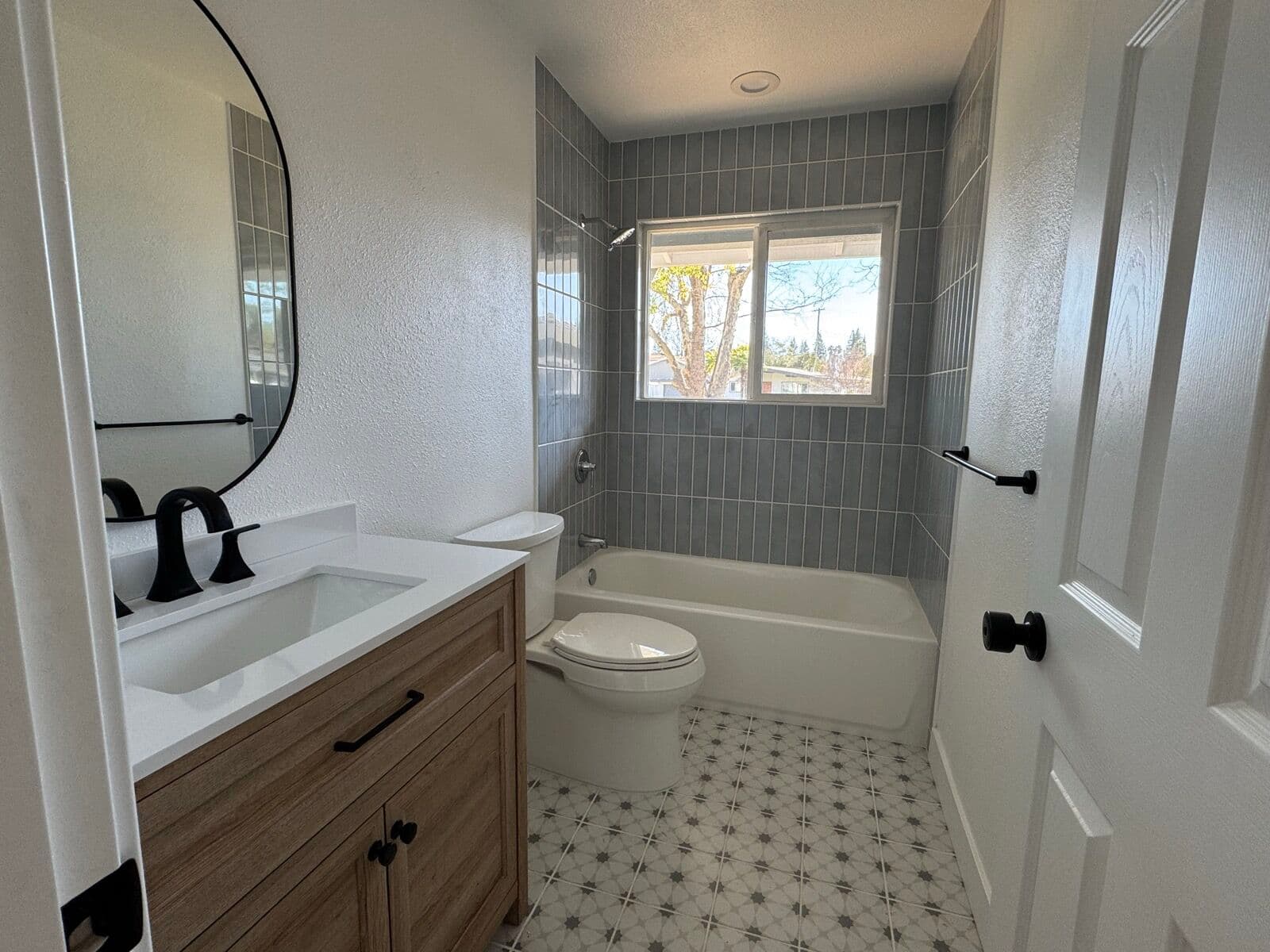
Shower surrounds and pans, tub surrounds, bathroom and kitchen floors, full height walls, kitchen backsplashes, fireplace surrounds, and laundry and mudroom floors that need to take a beating.
Handmade tile with real size variation, zellige, mosaic sheets, and large-format porcelain each set differently. We will tell you at the estimate what your chosen tile needs — including when it needs a flatter wall than the one you have.
Tile is quoted as part of the remodel it belongs to: a bathroom, a kitchen, or a wet-area-only rebuild.